



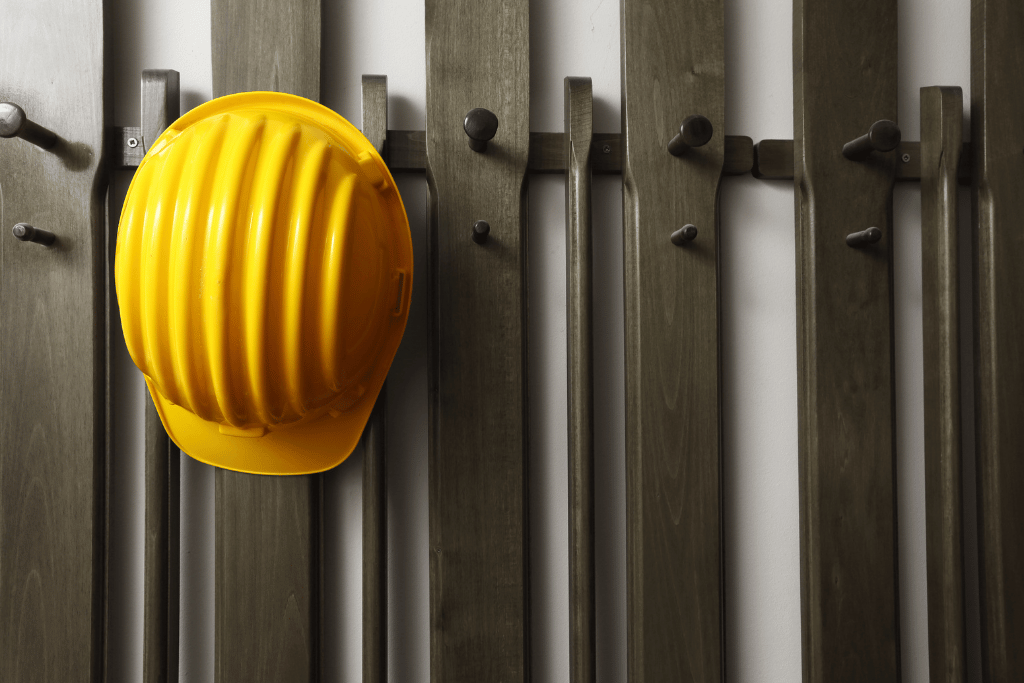
Safety gear takes daily hits from drops, vibration, UV exposure, and chemical splashes. Selecting the right impact-resistant plastic keeps that equipment in service longer, reducing replacement costs and downtime.
How Impact-Resistant Plastics Add Years of Service
When a housing or clip cracks, moisture and debris invade, accelerating corrosion and electronic failure. A resin engineered to absorb energy without fracturing preserves the enclosure, seals, and internal parts, extending functional life by two to three cycles compared with commodity polymers.
Cost Benefits for Affordable Safety-Gear Manufacturing
- Fewer field replacements lower spare parts inventory and service labor
- Longer design refresh intervals free engineering resources for new features
- Consistent dimensional stability maintains seal integrity, preventing leaks that lead to early retirement
Although tough resins cost more per pound, total program expense falls once longer service life is factored into lifecycle calculations.
Design and Processing Guidelines
- Use uniform wall sections to avoid hot-spot shrinkage that weakens impact zones
- Add radii at load transitions so that stress flows smoothly through the part
- Orient glass fibers toward primary load paths during molding to raise tensile strength
- Validate with drop tests at operational temperature extremes to confirm real-world durability
Following these guidelines during tooling and scientific molding ensures each impact-resistant plastic part performs like the lab-tested plaques.
Working with Plastic Companies for Reliable Production
Experienced plastic companies offer in-house material labs, cavity-pressure monitoring, and quick-turn tool shops that keep production parts aligned with validation data. Early collaboration on resin selection and gating strategy prevents costly mid-program redesigns.
Future Developments
Recycled high-impact polypropylene blends now match virgin toughness, pairing sustainability with durability. Micro-cellular foaming lightens parts while retaining impact energy absorption, improving worker comfort without shortening service life.
Conclusion
Using the appropriate impact-resistant plastic and disciplined molding practices lets manufacturers build safety gear that lasts longer and costs less over time. To explore material trials or full-scale production, contact Hansen Plastics Corporation for engineering support and project scheduling.