



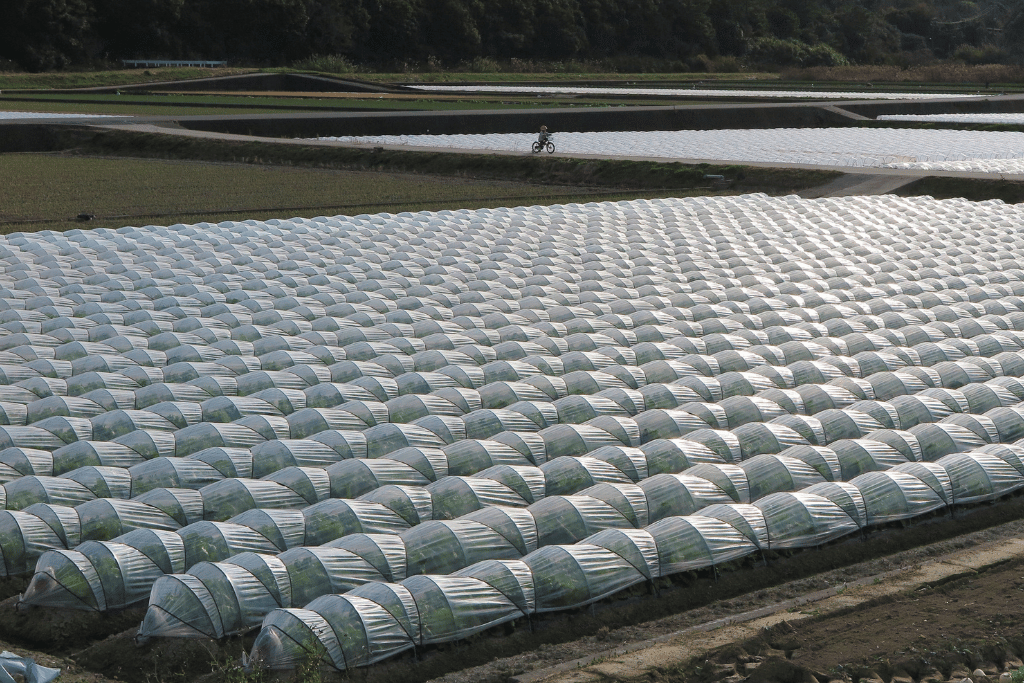
In agriculture, reliability is not a nice-to-have. It is the difference between staying on schedule and losing time to repairs. Plastic components play a bigger role than many people realize, not only in irrigation systems, but across equipment housings, protective covers, wear surfaces, brackets, and assemblies that keep operations running day after day.
Working with the right agricultural plastic solutions provider means getting parts designed for real field conditions, with materials and manufacturing processes that prioritize durability, fit consistency, and long-term performance.
What “agricultural plastic solutions” typically include
Agricultural operations use a wide range of plastic components, including:
- irrigation and drainage fittings and housings
- protective covers and guards
- enclosures for electronics and sensors
- brackets, mounts, and structural supports
- wear components exposed to grit and abrasion
- assemblies that require consistent sealing and fit
The common requirement across all of these is durability under UV exposure, chemical contact, impact, vibration, and temperature swings.
Why injection molded parts are common in agriculture
Injection molded parts for agriculture are widely used because injection molding delivers repeatability at scale. Once tooling is validated, molded parts can be produced with consistent geometry and stable quality. That repeatability matters for assemblies, seals, and field service replacements where fit needs to be predictable.
The value increases when the supplier also supports design-for-manufacturability reviews and material recommendations. Agriculture is not the place for guessing.
Durability requirements agricultural buyers should define
To avoid early failures, buyers should specify:
- UV exposure and target service life
- expected chemical contact (fertilizers, pesticides, cleaners, oils)
- impact and vibration environment
- operating and storage temperature range
- abrasion and wear exposure
- critical-to-fit dimensions and sealing interfaces
- volume expectations and seasonality
Even if you do not have exact numbers, describing the real-world conditions helps your supplier recommend the right materials and design tweaks.
What to look for in a provider
A strong provider should be able to:
- recommend materials based on exposure and performance requirements
- run DFM reviews that reduce warpage, sink, and fit issues
- support tooling strategies that match your volumes and timelines
- control critical dimensions and sealing features consistently
- communicate clearly about assumptions in quotes and lead times
In agriculture, parts do not fail politely. They fail when you are busy, and usually far from the shop.