



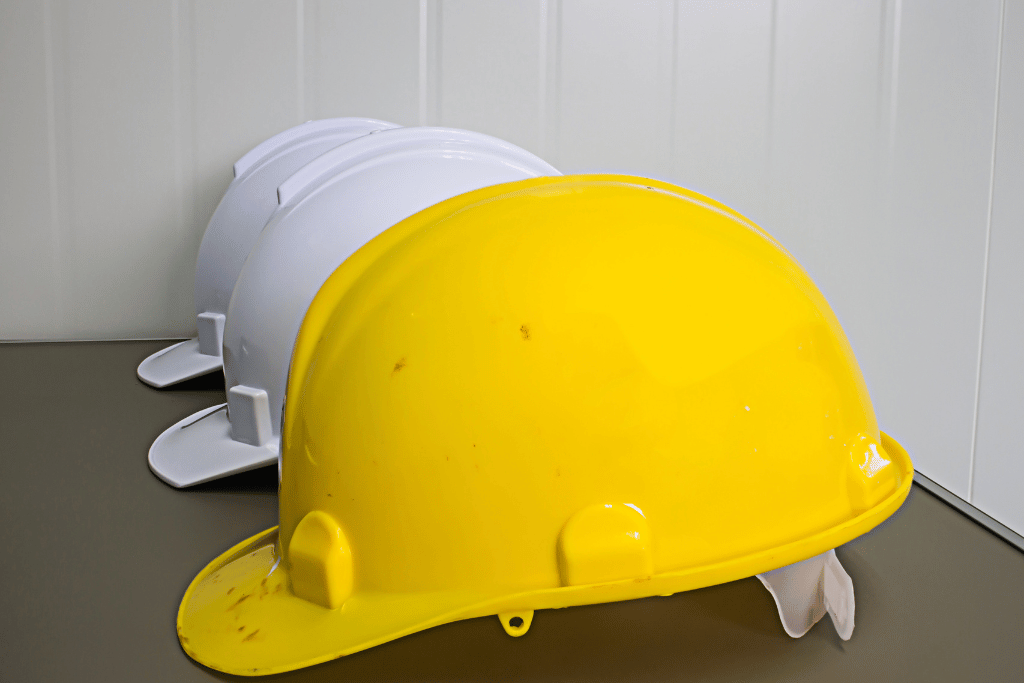
Safety gear including protection shields, chemical-resistant gloves, and construction helmets must experience extreme conditions. Safety gear made of durable plastic maintains compliance with strict safety standards in addition to increasing reliability. Among several factors to consider, manufacturers generally use impact-resistant plastic as it can handle difficult conditions. Many plastic equipment manufacturers for the safety sector focus on materials that support long-term durability and worker protection.
This article discusses the reasons durable plastics are important in manufacturing safety gear, the factors to be taken seriously while choosing them, and the most commonly used materials in the life safety industry.
Why Durable Plastics Are Critical for Safety Gear?
Many types of safety gear are based on durable polymeric materials. The effective functioning of helmets, shields, gloves, and other protective gear depends on high-performance materials. Safety gear’s primary objective is to protect, therefore the choice of plastic directly affects its performance under pressure.
By absorbing and spreading energy during accidents or falls, impact-resistant plastics for example protect users from physical risks. These components also extend the usefulness of safety gear, which makes it cost effective for manufacturers and end users. To meet safety regulations, plastics in these applications must consistently deliver high performance while remaining comfortable and practical for users.
Today, many manufacturers are investing in durable safety components that support worker safety across industries such as construction, firefighting, healthcare, and chemical processing.
Factors to Consider When Selecting Durable Plastics
Manufacturers of safety gear must consider many major factors while choosing the appropriate plastic:
Strength and Impact Resistance
Safety gear worn in harsh conditions depends largely on strength and impact-resistant plastic. Polycarbonate and other materials are widely used because they can absorb and distribute energy, therefore protecting the user from direct force hits.
Importance of Impact-Resistant Plastic:
- Reduces the risk of injuries from falling objects or sudden impacts.
- Assures protective shields and visors remain intact during heavy use.
Common Materials:
- Polycarbonate: Known for its superior impact resistance, it’s used in helmets and shields.
- ABS: A flexible and strong material in optimal balance.
These materials are widely used in manufacturing plastic safety products that require long-lasting performance.
Heat and Chemical Resistance
Safety gear in environments like chemical production or firefighting has the ability to tolerate high temperatures and resist chemical exposure. Choosing highly thermally and chemically stable plastics confirms gear stays functional in harsh conditions.
Why It Matters:
- Firefighters require gloves and helmets that protect against melting under extreme heat.
- Chemical-resistant gloves and aprons have to resist coming into touch with acidic materials.
Materials to Consider:
- Polyethylene: Exceptional chemical resistance for gloves and aprons.
- Nylon: Combines heat resistance with durability, ideal for straps and harnesses.
Many plastic components in life safety applications are designed specifically to handle heat, chemicals, and repeated industrial use.
Lightweight and Comfort
Many times, safety equipment is worn for a long period, so comfort is more important. Greater mobility is made possible by lightweight plastics without compromising durability.
Benefits of Lightweight Plastics:
- Reduce fatigue during prolonged use.
- Improve wearability, especially in items like helmets and vests.
Balancing Durability and Comfort:
Although lightweight plastics improve mobility, manufacturers have to be sure these materials remain strong enough to meet safety standards.
Cost and Availability
Cost is a significant factor for manufacturers, especially when producing safety gear at scale. Selecting the appropriate material requires balancing cost with performance.
Factors to Consider:
- Availability of materials: Common plastics like ABS and polycarbonate are more accessible and cost-effective.
- Specialized materials: While more expensive, they may be necessary for specific safety applications.
By carefully considering these factors, manufacturers can select the most suitable durable plastic for safety gear without compromising on quality or safety.
Common Plastics Used in Safety Gear Manufacturing
In the safety gear industry, many different types of plastic are used, and each has its benefits. Here’s a better view of the most popular choices:
Polycarbonate
- Impact-Resistant Plastic: It’s great for helmets and face shields because it doesn’t break easily when hit.
- Applications: Protective eyewear, visors, and safety shields.
Polyethylene
- Chemical Resistance: Excellent for uses that need to protect against harmful substances.
- Applications: Gloves, aprons, and storage containers.
ABS (Acrylonitrile Butadiene Styrene)
- Versatility: Combines strength with lightweight properties.
- Applications: Hard hats, tool housings, and protective coverings.
Nylon
- Durability and Lightweight: Perfect for harnesses, straps, and lightweight protection gear.
- Applications: Safety vests and industrial harnesses.
These materials are necessary to make safety gear reliable and effective. Manufacturers can meet the diverse needs of various industries by using these plastic qualities. Many modern plastic safety products now combine multiple polymers to improve overall protection and comfort.
Innovations in Plastic Manufacturing for Safety Gear
Material science is continually developing and introducing new ideas that improve the performance of safety gear, like innovative plastic components in life safety. Manufacturers—including those specialized in injection molding Illinois are inventing advanced materials and techniques to provide customized safety solutions.
Custom-Molded Plastics
With injection molding Illinois manufacturers, it’s now possible to produce plastics that are made specifically for safety gear use. This procedure makes possible:
- Designs with precision that improve gear functionality.
- Waste reduction makes more sustainable production methods.
Improved Polymers
New polymers with improved impact resistance, chemical stability, and heat tolerance are making safety gear more reliable than ever. These new ideas give manufacturers more choices that better meet the changing needs of the safety industry. Many plastic equipment manufacturers for the safety sector are now using advanced polymers to produce stronger and lighter protective equipment.
Choose Reliable Plastic Solutions for Better Safety Gear Performance
Choosing the right impact-resistant plastic for safety gear manufacturing is a decision that impacts both the safety of users and the quality of the final product. From gloves and vests to helmets and shields, strong plastics assure that safety gear performs well under difficult situations.
Manufacturers of durable plastic for safety gear have to consider strength, heat resistance, comfort, and affordability among other qualities. Common materials with different qualities are polycarbonate, polyethylene, ABS, and nylon to fit industry demands.
For innovative and tailored solutions, collaborating with injection molding Illinois specialists can provide manufacturers with the expertise needed to develop high-quality safety gear. By considering these aspects, manufacturers can assure their products meet safety standards while offering optimal protection.
Frequently Asked Questions
Durable plastic refers to plastic materials designed to withstand impact, pressure, heat, chemicals, and long-term use without breaking or degrading easily. These plastics are commonly used in safety gear manufacturing.
Polyethylene and polycarbonate are commonly recommended for chemical-resistant headgear because they provide strong resistance against chemical exposure while maintaining durability.
Polycarbonate is considered one of the most durable plastics due to its high impact resistance, strength, and ability to handle harsh industrial environments.
Impact-resistant plastic helps absorb and distribute force during accidents or falling object impacts. This reduces the risk of injuries and improves user safety.
Industries such as construction, firefighting, healthcare, chemical manufacturing, mining, and industrial production widely use plastic safety products.
Durable safety components are strong plastic or polymer-based parts used in protective equipment such as helmets, face shields, harnesses, gloves, and protective covers.
Plastic equipment manufacturers for the safety sector use advanced molding technologies, high-performance polymers, and strict quality testing to produce reliable and long-lasting safety gear.