



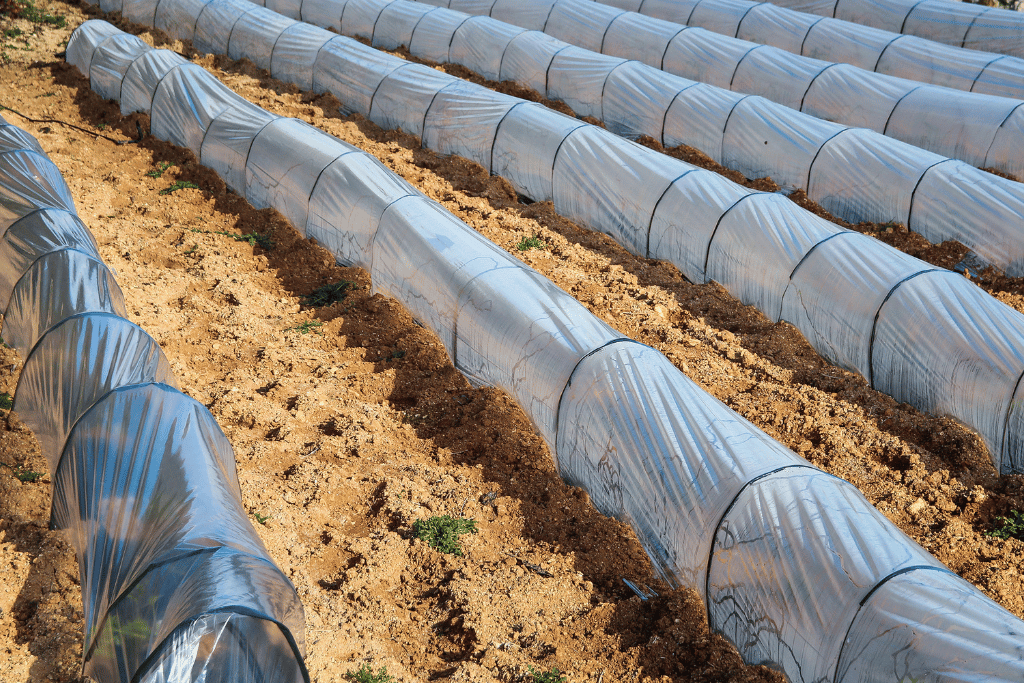
Greenhouses create an environment that pushes plastic components in a very specific way: sustained heat, near-constant humidity, moisture cycling, chemical dosing, and repeated handling for maintenance. A part that works in a general industrial setting can creep, crack, or loosen in a greenhouse if materials and fit strategy are not aligned early.
This guide explains how to design custom plastic greenhouse components for long-term reliability, focusing on heat, humidity, moisture cycling, and UV exposure.
Heat and humidity change how plastics behave
In warm, humid environments, some materials are more prone to:
- creep under load (threads loosening over time)
- dimensional drift that affects sealing and fit
- stress cracking when chemicals are present
- reduced stiffness that changes assembly behavior
That does not mean “plastic is bad.” It means the material and design have to match the environment.
Moisture cycling and assembly fit
Greenhouse systems are constantly on and off. Components see pressure changes, thermal cycles, and handling cycles. To maintain consistent fit, you need:
- stable wall thickness to reduce warpage
- well-supported sealing faces and grooves
- CTQs clearly defined for mating interfaces
- realistic tolerances focused on function, not perfection
Material selection tips for greenhouse durability
Instead of starting with a resin name, start with requirements:
- temperature range and exposure duration
- humidity and moisture cycling intensity
- chemical exposure list (nutrients, cleaners, disinfectants)
- UV exposure zones and expected service life
- impact and handling abuse risk
From there, your supplier can propose materials and explain tradeoffs in stiffness, toughness, creep, and stability.
Designing for long-term serviceability
Greenhouse parts often get disassembled and reassembled. That means threads, snaps, and seals should be designed to survive repeated cycles without cracking or losing fit.
If your part must be serviced, define:
- expected service frequency
- torque or force ranges during assembly
- acceptable leak criteria if it seals fluids
- cosmetic vs functional priorities
A greenhouse program can run smoothly for years with the right design discipline upfront.