



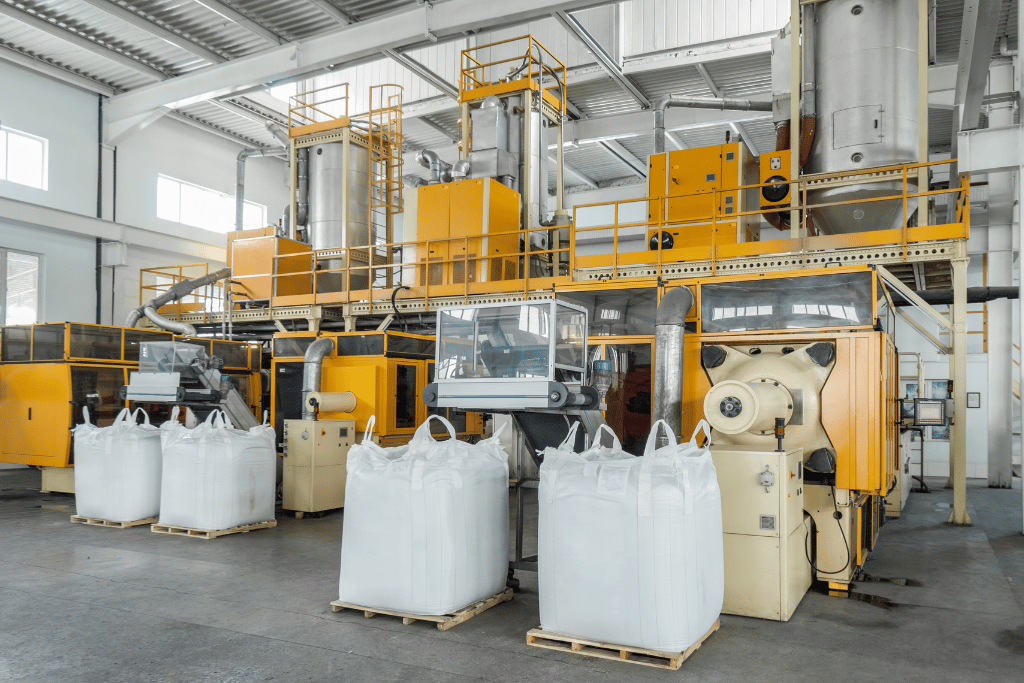
Agriculture is hard on equipment. Components are exposed to sun, moisture, mud, fertilizer, fuels, oils, impact, vibration, and wide temperature swings. That is why sourcing custom plastic manufacturing for agriculture requires more than a basic RFQ and a few drawings.
If you are an OEM, maintenance team, or procurement manager looking for reliable custom plastic parts for farming equipment, this guide explains what to specify up front so you get accurate quotes, avoid redesigns, and end up with parts that survive real field conditions.
Why agricultural plastic parts fail in the field
A part can look great on day one and still fail early if the requirements are not clearly defined. The most common root causes include:
-
Resin selection that does not match UV exposure or chemical contact
-
Underestimating impact loads and vibration over time
-
Tolerances that are either too tight (costly) or too loose (functional issues)
-
Poor assumptions about operating temperatures and seasonal storage
-
Not accounting for how the part will be assembled, fastened, or serviced
The fix is simple: provide the right information early so your supplier can recommend the correct material, molding approach, and tooling strategy.
What to specify up front to get accurate quotes
Below is a practical checklist for your RFQ. The more you can define these items, the more realistic your quote will be, and the less rework you will face later.
1) Application and part function
Start with the basics:
-
What does the part do?
-
Is it cosmetic, structural, or both?
-
What happens if it fails?
Even a short description helps the molder understand risk and prioritize performance.
2) Environment exposure
Agricultural parts live outside or in harsh enclosures. Define the environment in plain language:
-
Outdoor exposure: full sun, partial shade, seasonal storage?
-
Moisture: rain, washdowns, standing water, humidity?
-
Dirt and abrasion: sand, grit, soil contact, scraping?
-
Temperature range: summer peak, winter low, under-hood heat?
If you do not know exact numbers, provide ranges and real-world context (for example, “equipment sits in full sun all day” or “stored in an unheated barn in winter”).
3) UV exposure requirements
UV is one of the biggest silent killers of plastics in the field. If the part is outdoors, clarify:
-
Expected service life (example: 3 years, 5 years, 10 years)
-
Color requirements (dark colors often behave differently than natural)
-
Whether appearance matters (fading vs structural integrity)
A supplier can recommend UV-stabilized materials or additives, but only if UV expectations are clear.
4) Chemical contact and contamination
Many agricultural components encounter chemicals, and assumptions here can cause rapid failure. Provide:
-
What chemicals may contact the part (fertilizers, pesticides, herbicides)
-
Fuels and lubricants (diesel, gasoline, hydraulic fluids, oils, greases)
-
Cleaning agents (degreasers, detergents, disinfectants)
-
Contact type: splash, wipe, full immersion, or vapor exposure
-
Frequency and duration of exposure
If you can provide a list of chemicals or SDS references from your operation, quotes and material recommendations will be dramatically more accurate.
5) Impact, load, and vibration expectations
Agricultural equipment sees shocks and repetitive loads. Define:
-
Impact risk: occasional hits, tool drops, rocks, debris strikes?
-
Load type: static load, cyclic load, bending, torsion?
-
Vibration: constant vibration during use, or intermittent?
-
Critical failure mode: cracking, deformation, loosening, wear?
If the part interfaces with metal components, mention it. Plastic-to-metal contact can drive wear and stress concentration.
6) Tolerances and critical dimensions
Not all dimensions are equal. If you specify tight tolerances everywhere, you may overpay and create unnecessary quality hurdles.
Best practice:
-
Identify critical-to-function dimensions (CTQs)
-
Define fit requirements (press fit, snap fit, clearance)
-
Share mating part details when possible
-
Clarify if warpage control or flatness is critical
A good molder can help optimize tolerances based on real molding behavior and part geometry.
7) Annual volumes and demand patterns
Volume drives tooling strategy and per-part pricing. Provide:
-
Estimated annual usage
-
Forecast by quarter, if seasonal
-
Ramp expectations (launch volumes vs steady state)
-
Service parts vs production parts split, if applicable
If volumes are uncertain, say so. Many suppliers can quote multiple scenarios so you can plan tooling and budget intelligently.
8) Material preferences or constraints
If you have material requirements, list them:
-
Approved materials list (if your company has one)
-
Requirements for FDA, food contact, or other compliance needs (if relevant)
-
Flame resistance, electrical properties, or static control needs
-
Color matching requirements
If you do not know the best resin, that is fine. Just share performance needs and exposures, and your supplier can propose options.
9) Aesthetic requirements and surface finish
Some agricultural parts are purely functional, but others are customer-facing. Clarify:
-
Acceptable cosmetic variation, knit lines, flow lines
-
Texture requirements or grip features
-
Branding or molded-in markings
-
Scratch resistance expectations
10) Assembly method and secondary operations
How the part is used matters as much as how it is molded. Tell your supplier if the part needs:
-
Inserts, fasteners, or threaded features
-
Ultrasonic welding, staking, or assembly
-
Labeling, pad printing, laser marking
-
Packaging requirements for field service kits
These details affect both cost and design recommendations.
How to improve outcomes with a short DFM review
If you want accurate pricing and fewer surprises, ask for a DFM-style review early. A solid supplier will look at your design and flag:
-
Likely warpage or sink risk
-
Gate placement constraints and cosmetic tradeoffs
-
Areas where wall thickness changes could reduce cycle time
-
Reinforcement opportunities (ribs, fillets) to improve strength
-
How to design for serviceability and long-term durability
This step is especially valuable in agriculture because field conditions expose weaknesses fast.
RFQ checklist you can copy and paste
Use this as a quick RFQ template for custom plastic manufacturing for agriculture:
-
Part function and failure risk:
-
CAD + drawing revision:
-
Critical dimensions and tolerances (CTQs):
-
Expected outdoor UV exposure and target service life:
-
Temperature range in use and storage:
-
Moisture, washdown, and dirt/abrasion exposure:
-
Chemicals and fluids the part may contact (list):
-
Impact, vibration, and load expectations:
-
Annual volume and seasonal demand pattern:
-
Color and appearance requirements:
-
Assembly method and any secondary operations:
-
Packaging and labeling requirements:
-
Logistics preferences (ship cadence, pallets, kits):
The goal is not to overcomplicate the RFQ. The goal is to prevent assumptions from turning into failures and cost overruns.
Sourcing agriculture plastic parts with confidence
When you define environment, chemicals, UV exposure, impact needs, tolerances, and volumes up front, suppliers can recommend the right resin and tooling strategy and give you pricing that holds up through launch.
If you are evaluating plastic injection molding services for agricultural components, a good next step is sharing your CAD and this checklist so the supplier can provide DFM feedback and a quote built on real field requirements, not guesswork.