



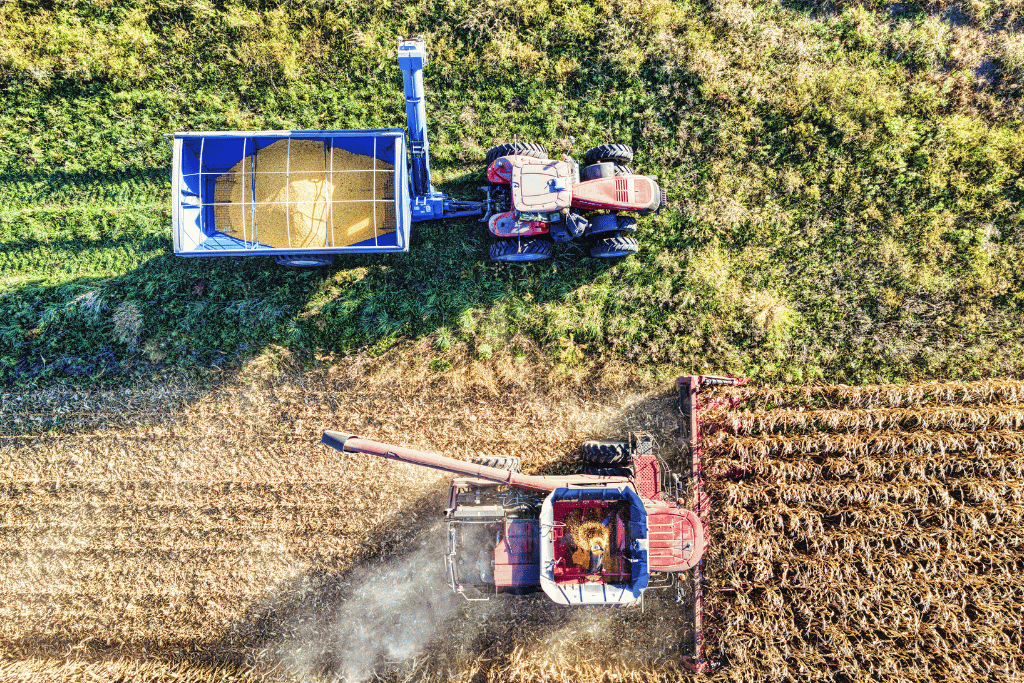
Farming equipment works in environments that punish components daily: abrasive dust, mud, fertilizer residue, vibration, impacts from debris, and constant temperature swings. If a plastic component fails, the cost is rarely “just the part.” It is downtime, labor in the field, missed irrigation windows, delayed harvest, and frustrated operators.
This guide explains how to design and source custom plastic parts for farming equipment that hold up to high wear conditions, resist impact, handle temperature shifts, and maintain consistent fit on assemblies over time.
Why durability matters more in agricultural plastics
Agricultural equipment rarely gets ideal conditions. Parts are exposed to:
-
Abrasion from soil, sand, and grit
-
Impacts from rocks, tools, and debris
-
Vibration and cyclic loading that causes fatigue
-
Chemical contact (fertilizers, pesticides, oils, fuels)
-
UV exposure for outdoor components
-
Cold mornings and hot afternoons that change material behavior
To achieve durability, you need the right combination of material choice, part geometry, molding strategy, and tolerance control.
Common failure modes in farming equipment plastic parts
Understanding how parts fail helps you prevent the problem at the design stage.
Abrasive wear
Often shows up as thinning, loosening fits, or surface erosion on guides, bushings, housings, and covers exposed to dirt and grit.
Impact cracking
Happens when a part becomes brittle due to material choice, UV exposure, or low temperature performance.
Fatigue failure
Micro-cracks grow over time due to vibration and repeated loading, especially near sharp corners, bosses, and thin transitions.
Warpage and fit inconsistency
Parts that do not maintain flatness, roundness, or alignment can cause leaks, rattles, premature wear, or assembly problems.
Environmental stress cracking
Chemical exposure combined with mechanical stress can trigger cracking even when the part looks fine initially.
Most of these failures are preventable if you define the real operating environment and design around it.
Material considerations: choosing plastics that survive the field
When sourcing plastic parts for agricultural equipment, avoid selecting material based only on a resin name or a “standard” used in another industry. Start with performance requirements.
Abrasion resistance
If a part slides, rubs, or contacts grit, abrasion resistance becomes a primary selection factor. Your supplier can propose resin options and additives tailored to wear performance, but only if you specify:
-
Where abrasion occurs
-
How often contact happens
-
Whether grit and sand are present
Impact resistance
Impact performance is not just “strong plastic.” It depends on:
-
Resin toughness
-
Wall thickness and geometry
-
Notch sensitivity at corners
-
Temperature at the time of impact
If parts see winter use or cold storage, low-temperature toughness must be part of the requirements, not an afterthought.
Temperature swings
Agricultural parts can see:
-
Hot sun exposure
-
Cold mornings and freezing conditions
-
Heat near engines or pumps
Temperature changes can cause:
-
Dimensional drift and fit issues
-
Increased brittleness in cold
-
Softening or creep in heat
Define operating and storage ranges so the material can be selected appropriately.
Chemical exposure
Common exposures include:
-
Fertilizer concentrates
-
Pesticides and herbicides
-
Diesel, gasoline, oils, hydraulic fluid
-
Cleaning agents
Chemical compatibility depends on exposure type, frequency, and temperature. Provide a chemical list whenever possible.
UV exposure
If a part is outdoors, UV stabilization is often mandatory to prevent embrittlement and cracking over time. Define expected service life and sun exposure level.
Design strategies to resist impact and wear
Material matters, but geometry often decides whether a part survives.
Use smooth transitions and fillets
Sharp corners create stress concentration and increase cracking risk. Fillets improve:
-
Impact performance
-
Fatigue life
-
Flow behavior during molding
Avoid thick masses of plastic
Thick sections increase cycle time and can create sink and internal stress. Use ribs for stiffness instead of thickness for strength.
Reinforce the right way with ribs
Ribs add stiffness and reduce deformation, but they must be designed to avoid sink and warpage. Ask your supplier to review rib design during DFM.
Protect wear surfaces
If a surface is exposed to abrasion, consider:
-
Sacrificial wear thickness where possible
-
Design features that reduce direct grit contact
-
Surface textures or geometries that reduce scuffing
Design assemblies for real-world variation
Farming equipment assemblies see vibration, dust buildup, thermal expansion, and repeated service. Fit should be designed for:
-
Practical tolerance stack-ups
-
Expansion and contraction with temperature
-
Ease of disassembly for field repairs
If an assembly includes plastic-to-metal interfaces, call that out early. It affects wear and reinforcement strategy.
Consistent fit: the hidden driver of uptime
A part can be strong and still be a problem if fit is inconsistent. In agriculture, fit inconsistency creates:
-
Leaks (for housings and fluid-related components)
-
Loosening over vibration
-
Assembly delays and rework in production
-
Premature wear due to misalignment
How to get consistent fit
-
Identify critical-to-fit dimensions (CTQs)
-
Provide mating part details and tolerance expectations
-
Define installation requirements (snap fit force, torque, interference ranges)
-
Ask how the supplier controls CTQs during production
Consistency is a process and tooling discipline problem as much as it is a design problem.
What to include in an RFQ for farming equipment plastic parts
To get accurate quotes and durable parts, include these details up front:
-
Part function and failure impact (what happens if it breaks?)
-
CAD and drawing revision control
-
Where abrasion occurs and what causes it (soil, grit, sliding contact)
-
Impact risks and typical impact scenarios (debris strike, drops, tool hits)
-
Vibration and cyclic loading expectations
-
Operating and storage temperature ranges
-
Chemical exposure list and exposure type (splash, soak, wipe)
-
UV exposure expectations and target service life outdoors
-
Critical dimensions and critical-to-fit features (CTQs)
-
Mating part details and assembly method (fasteners, inserts, seals)
-
Annual volume and seasonality patterns
-
Cosmetic requirements (if any)
-
Packaging requirements, especially for precision interfaces
This is the difference between a quote built on assumptions and a quote built on field reality.
When multi-material solutions make sense
Some agricultural applications benefit from multi-material plastic solutions for farming, especially when you need:
-
A rigid body for structure and a softer interface for sealing or grip
-
Vibration damping and impact absorption in specific zones
-
Improved sealing performance without separate gaskets
If your component needs both stiffness and compliance, ask your supplier about multi-material approaches early, because it affects tooling and design decisions.
Build for the field, not the lab
The best agricultural plastic parts are engineered around real use: dust, grit, impact, chemicals, UV, and the maintenance habits of field crews. If you define those conditions up front and work with a supplier who can provide DFM guidance, material recommendations, and tight control on critical features, you can reduce failures and protect uptime.
If you are sourcing custom plastic parts for farming equipment, a quick DFM and materials review is often the fastest way to ensure the part is designed to survive impact and wear while maintaining consistent fit across production runs.