



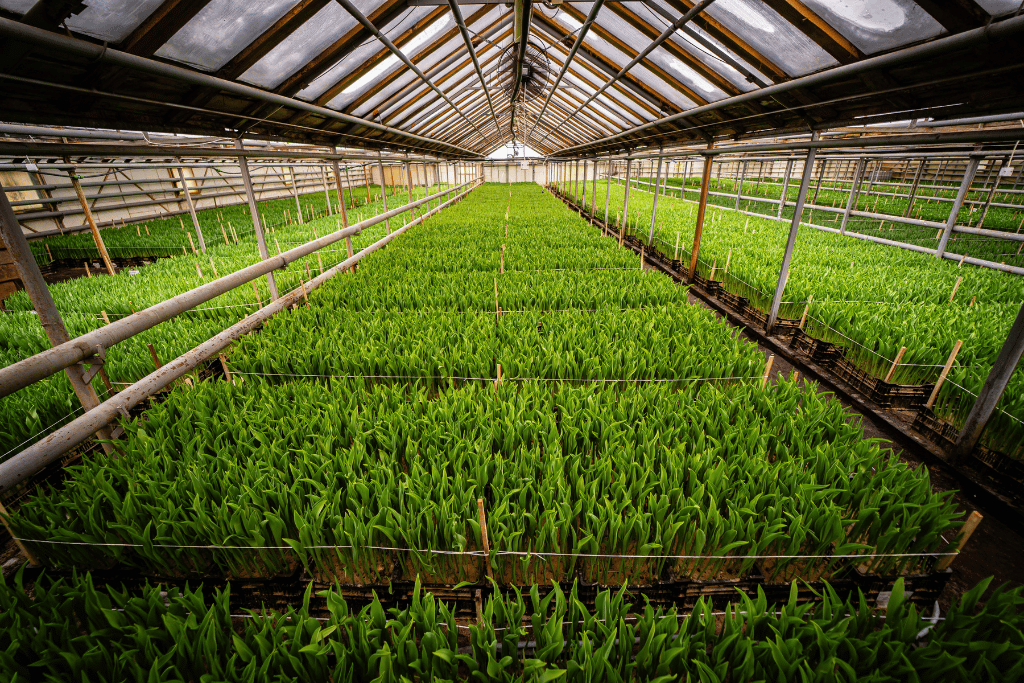
Greenhouse environments look controlled, but they are brutal in their own way. Constant humidity, warm temperatures, frequent chemical dosing, and continuous use can expose weaknesses in materials and fit quickly. When a greenhouse component leaks or loosens, the problem spreads fast: water loss, uneven irrigation, maintenance labor, and downtime.
This guide covers what matters most when sourcing plastic greenhouse components, especially for assemblies that require tight fit and long-term resistance to UV and chemical exposure.
Greenhouse plastics face a different durability mix
Compared to open-field agriculture, greenhouses commonly introduce:
- constant humidity and warm temperatures
- frequent exposure to nutrients, cleaners, and dosing systems
- repeated assembly and disassembly for maintenance
- UV exposure through greenhouse coverings, plus sunlight at entry points
This environment can accelerate creep, stress cracking, and seal degradation if the material is not well matched.
Tight fit matters because leaks are expensive
Many greenhouse parts fail at the interface: joints, threads, seals, and push-to-connect assemblies. Even small fit variation can create:
- slow leaks that go unnoticed
- pressure loss and inconsistent irrigation
- frequent maintenance calls
- damage to nearby equipment
To prevent this, define critical-to-fit features and ask your supplier how they control them in production.
UV resistance: not just for outdoor parts
Greenhouse parts still see UV, especially near roofs, vents, and high-sun zones. Over time, UV can reduce impact strength and cause brittleness. If components must last for years, UV stabilization and material selection should be planned early, not “added later.”
Chemical exposure and stress cracking risk
Greenhouse irrigation often involves chemical dosing and cleaning agents. When chemical exposure meets mechanical stress, environmental stress cracking becomes a real risk. Buyers should specify chemical categories, exposure frequency, and temperature conditions so the right resin and design strategy can be selected.
Design priorities that improve long-term performance
For greenhouse assemblies, focus on:
- stable wall thickness to reduce warpage
- well-designed sealing surfaces and mating geometry
- right-sized tolerances focused on CTQs
- material choices that resist creep and stress cracking
- packaging that protects sealing surfaces in transit
A greenhouse program can look stable until it isn’t. The right design and material choices keep it boring, and boring is good.