


TRANSFER EXISTING INJECTION MOLDS WITH A CLEAR PATH TO STABLE PRODUCTION
Moving an existing injection mold from one manufacturer to another involves more than transporting the tool. The mold condition, process history, part requirements, production documentation, and receiving equipment must all be reviewed together.
Hansen Plastics provides injection mold transfer services for manufacturers that need a new production partner for existing tooling. Our engineering and manufacturing teams help evaluate the transferred mold, identify compatibility concerns, establish a repeatable molding process, and prepare the program for ongoing production.
- Tooling review: Evaluate available mold information, production history, part requirements, and known tooling concerns.
- Machine compatibility: Review mold dimensions, press requirements, auxiliary connections, resin requirements, and production needs.
- Production preparation: Establish processing parameters, sampling requirements, quality expectations, and launch documentation.
- Program integration: Connect transferred tooling with plastic injection molding, engineering, quality, and supply support.
WHAT ARE INJECTION MOLD TRANSFER SERVICES?
A Structured Transition for Existing Tooling and Production Programs
Injection mold transfer services help manufacturers move an existing mold and its production program from one injection molding supplier to another. The goal is not simply to relocate the tooling. It is to understand how the mold was previously operated and determine what is required to produce consistent parts in a new manufacturing environment.
A transfer may include reviewing tool drawings, resin specifications, process history, maintenance records, quality documentation, sample parts, packaging requirements, and customer-specific standards. This information helps the receiving molder identify potential risks before the mold enters production.
Hansen Plastics combines engineering and tool design support with production capabilities to help transferred programs move from evaluation through sampling and ongoing manufacturing. Manufacturers planning a supplier transition can also review our guide to transferring molds between injection molding companies.
OUR INJECTION MOLDING TOOL TRANSFER PROCESS
From Initial Review to Production Launch
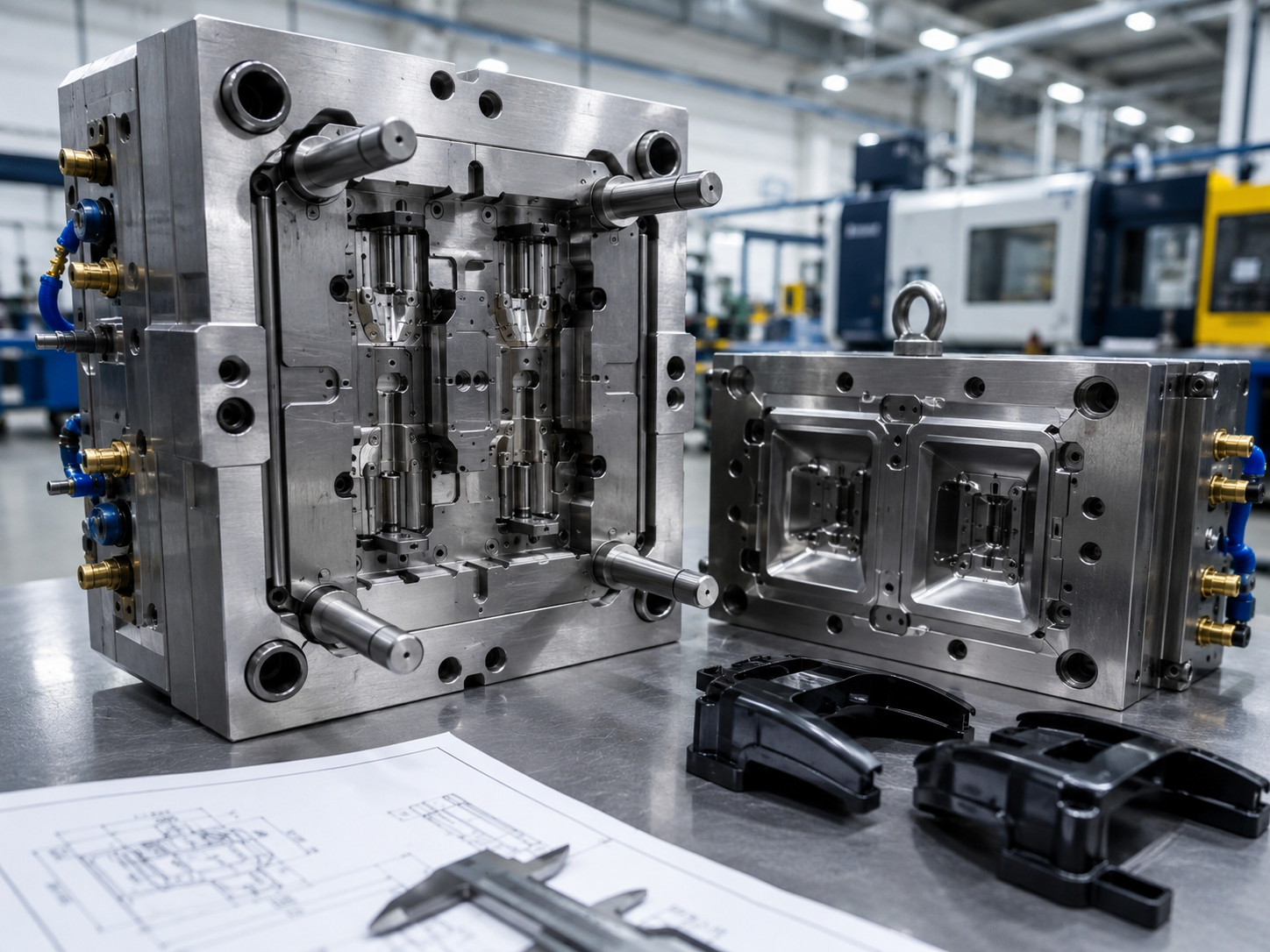
- Program and documentation review: We review available part drawings, tooling records, resin requirements, historical process information, quality standards, annual volumes, and production expectations.
- Mold condition assessment: The transferred tooling is reviewed for visible wear, damage, contamination, incomplete components, and potential maintenance or modification needs.
- Machine compatibility review: Mold dimensions and production requirements are compared with the intended injection molding equipment, controls, utilities, and auxiliary systems.
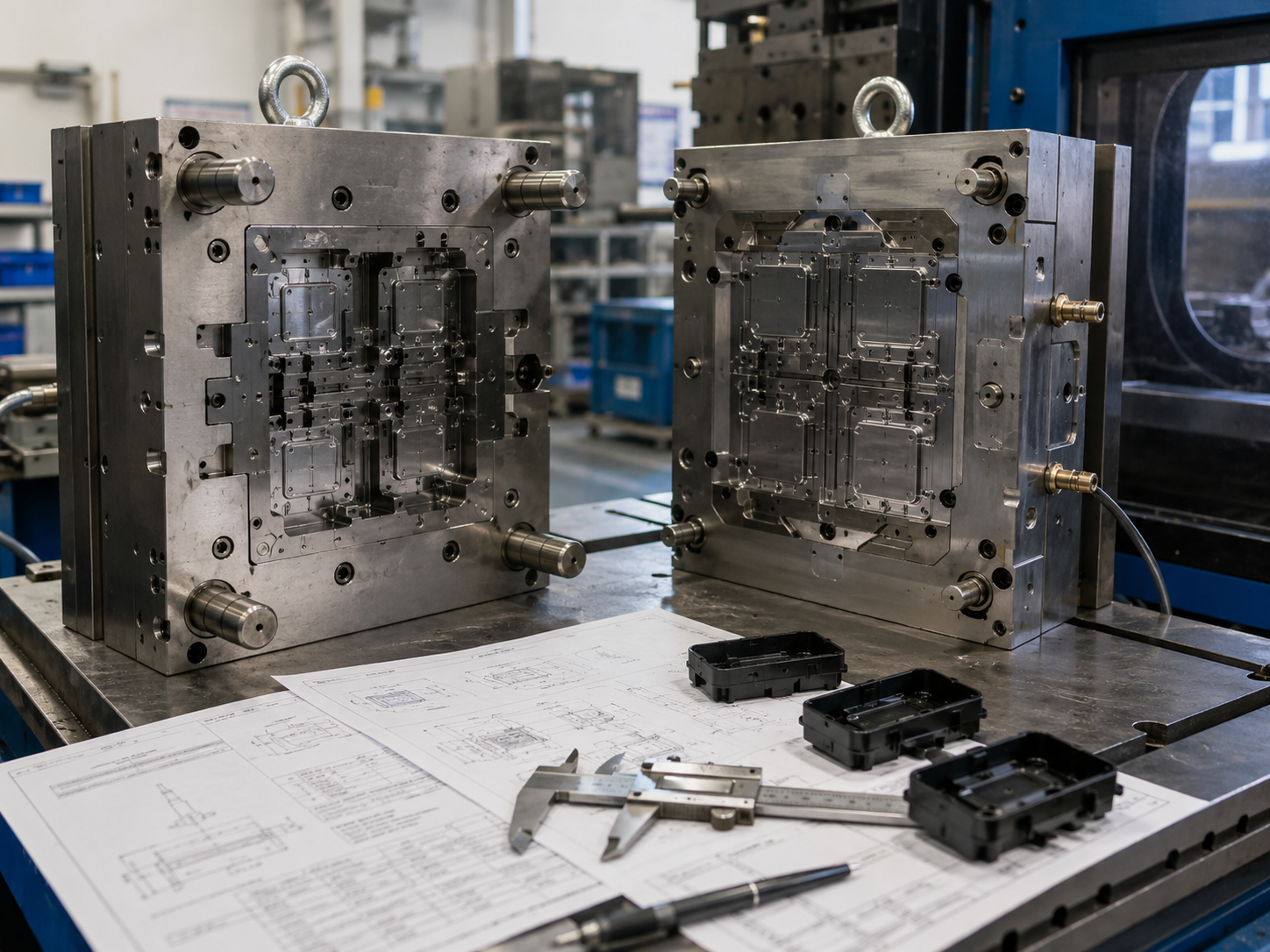
- Tool installation and sampling: The mold is prepared for initial trials so the team can evaluate fill behavior, part release, cooling, cycle consistency, dimensions, and cosmetic requirements.
- Process development: Processing parameters are established and documented to support consistent production and reduce unnecessary variation between runs.
- Part validation: Samples are evaluated against approved drawings, specifications, and customer requirements. When applicable, validation can support first article review, PPAP documentation, or other customer-defined approval processes.
- Production integration: Once the transferred program is approved, the mold can move into planned production with quality controls, material coordination, scheduling, and inventory support.
EXISTING MOLD AND INJECTION MOLDING MACHINE COMPATIBILITY
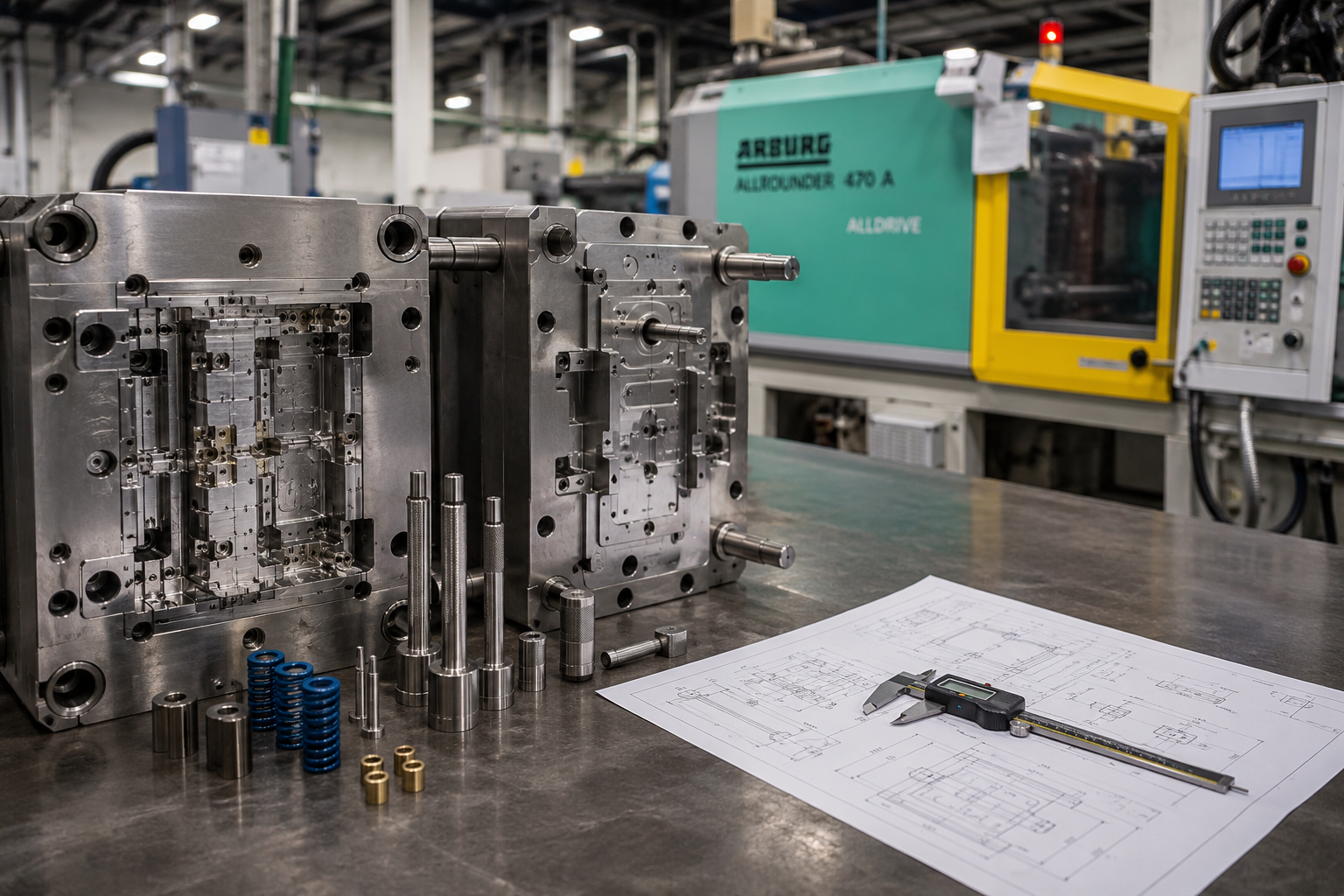
Not every mold for an injection molding machine can be moved directly from one press to another without review. Even when a mold previously produced acceptable parts, differences between machines, controls, auxiliary equipment, and processing conditions can affect fit, cycle time, part quality, and repeatability.
Before an injection molding tool transfer moves into production, the mold and receiving equipment should be evaluated as a complete manufacturing system.
Common compatibility considerations include:
- Mold dimensions, mold height, platen size, and tie-bar spacing
- Required clamp tonnage and projected molding area
- Machine shot capacity, screw size, and resin requirements
- Sprue, nozzle, and locating ring configuration
- Ejection method, ejector stroke, and required machine interfaces
- Cooling circuits, water connections, and temperature-control requirements
- Hydraulic, pneumatic, electrical, and hot runner connections
- Core pulls, slides, sensors, and sequencing requirements
- Material drying, handling, and auxiliary equipment needs
- Automation, part removal, insert loading, and packaging requirements
When compatibility concerns are identified early, the manufacturing team can determine whether the mold requires maintenance, adjustments, supporting equipment, or a revised processing strategy. Hansen Plastics can also review how the transferred tooling relates to the broader injection mold tooling strategy for the program.
WHEN SHOULD YOU TRANSFER AN INJECTION MOLD?
Common Reasons Manufacturers Move Existing Tooling
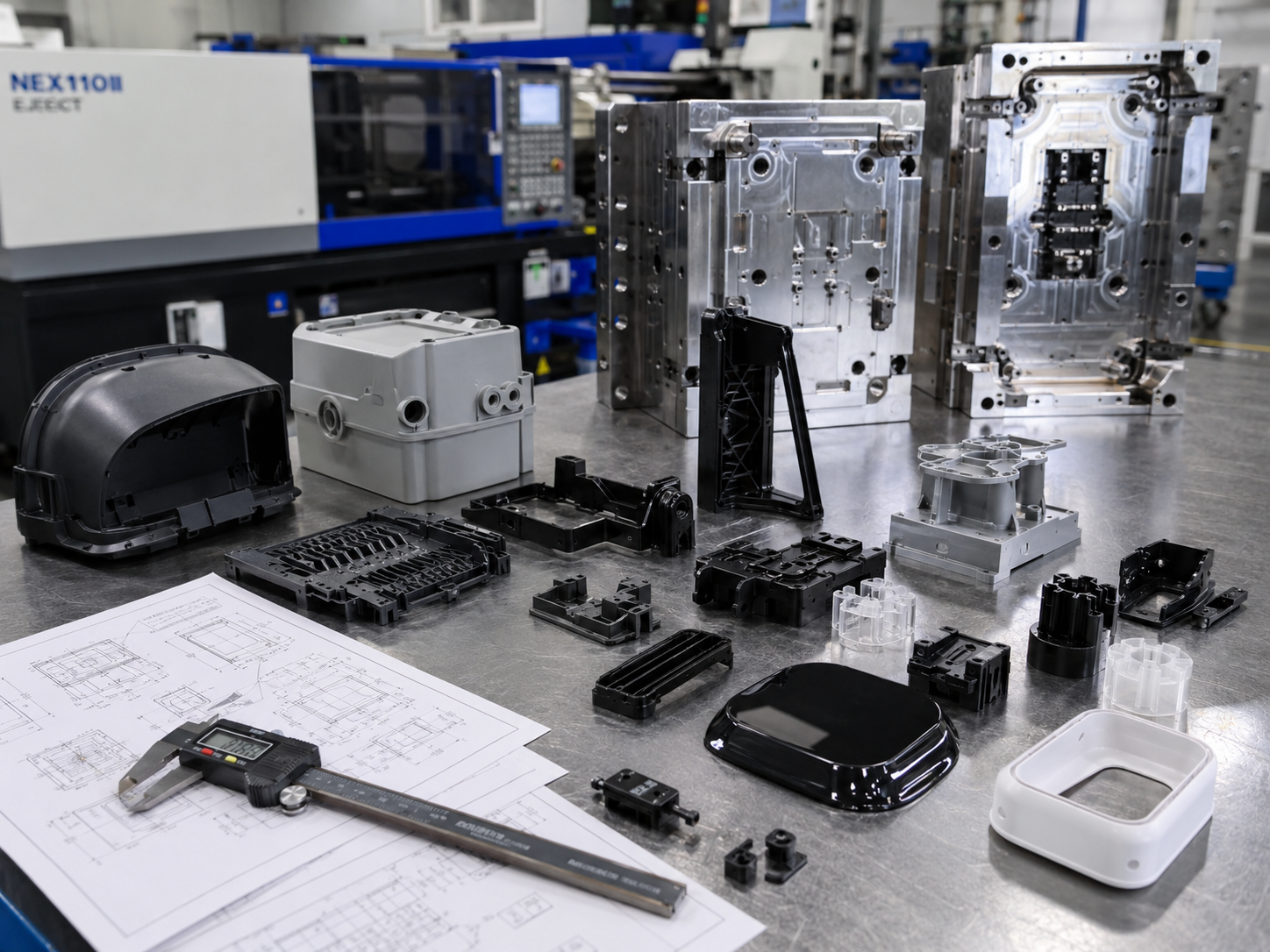
A plastic mold transfer may be needed because of a planned sourcing change or an urgent disruption with the current supplier. A structured transfer process helps protect the tooling, preserve important production knowledge, and reduce uncertainty during the transition.
Manufacturers commonly transfer injection molds when:
- The current supplier cannot meet quality, capacity, or delivery requirements
- A molding company closes, changes ownership, or discontinues a service
- Production needs to be moved closer to customers or domestic operations
- Multiple programs are being consolidated with fewer suppliers
- The existing program needs stronger engineering or process support
- Part demand has increased beyond the current supplier’s capacity
- The tooling needs to be integrated with assembly, secondary operations, or packaging
- The manufacturer needs improved production visibility and inventory management support
- A new injection molding company is needed for an existing mold
Beginning with a complete program review gives both the customer and the new injection molder a clearer understanding of the tooling condition, approval requirements, launch risks, and production priorities.
Get Started with Hansen Plastics
MOVE EXISTING INJECTION MOLDS INTO STABLE, REPEATABLE PRODUCTION
Whether you are changing suppliers, consolidating manufacturing programs, responding to a production disruption, or looking for stronger engineering support, Hansen Plastics can help evaluate the tooling and requirements behind your transfer.
Why Choose Hansen Plastics for Custom Plastic Injection Molding?

Advanced Technology
Utilizing the latest in injection molding equipment and software

Expert Team
Highly skilled engineers and technicians with decades of experience

Quick Turnaround
Efficient processes to meet your deadlines

Exceptional Quality
Rigorous quality control measures ensure consistent, high-quality parts
Testimonials


“My company is in the water delivery business. My role in the company is a Senior Buyer. I have been doing business with HPC for 4 years, however, the company I represent has been doing business with HPC for over 30 years. During that time I have f... Read More
– Scott Olberding, Senior Buyer, Elkay
“My company is in the Automotive tool business. My role in the company is President. I have been doing business with HPC for 12 years. During that time I have found HPC to be Informative… Once expectations are understood, HPC is an excellent comm... Read More
– Eric Leicher, President, Motive Products
“Because of your support, we will be able to provide our guests with a safe place to sleep, food, clothing, coats, shoes, a hot shower, and laundry facilities.”... Read More
– Sarah J. Ponitz, Executive Director, Pads of Elgin
Industries We Serve with Custom Plastic Injection Molding

Appliances
We provide custom plastic injection molding solutions for the appliance industry.


Fluid Movement
Innovative plastic solutions for fluid movement and water treatment industries.

Transportation
Providing high-quality plastic components for the transportation industry.
