



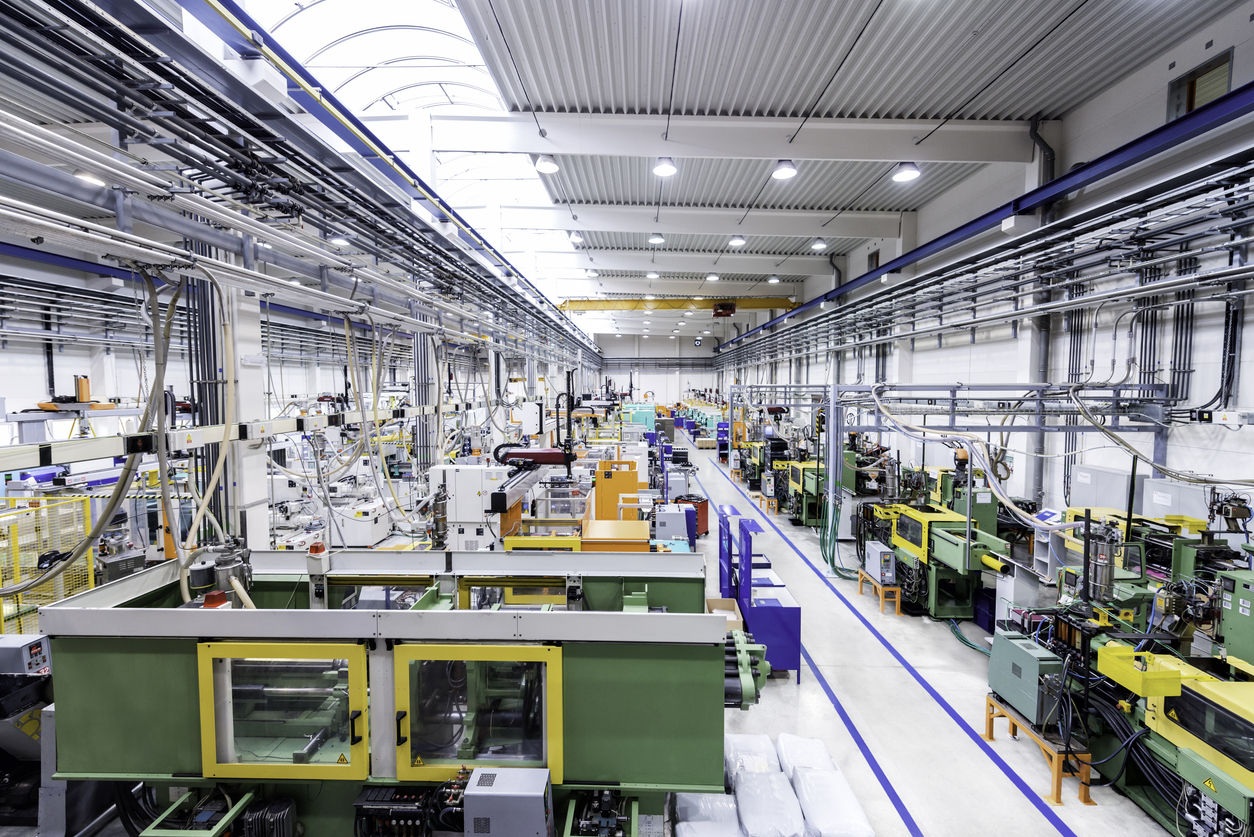
Have you ever wondered how swiftly and effectively items like microwaves, washing machines, and refrigerators are manufactured? The large-scale injection molding method is one of the keys to this quick manufacturing. This method is essential to contemporary manufacturing since it enables businesses to create appliance parts economically and effectively. This post will explain injection molding’s operation, advantages, and rationale for being the preferred way to make premium appliance parts.
Large-scale injection molding is a manufacturing process used to produce appliance parts in high volumes by injecting molten plastic into molds. It is widely used in plastic injection molding for appliances because it enables fast production, consistent quality, and lower cost per unit in large appliance plastic component manufacturing.
What is Injection Molding in Appliance Manufacturing?
It is a manufacturing technique where molten material, usually plastic, is injected into a mold to make parts. Imagine pouring cake batter into a cake pan—once the batter cools and hardens, it takes the shape of the pan. Similarly, in the molding process, the material cools and solidifies inside the mold, taking on its shape. This method is widely used in plastic injection molding for appliances because it allows for the quick production of parts that are very precise and consistent. It’s exceptionally beneficial for large appliance plastic component manufacturing, where high volumes are required.
How It Works?
Preparing the raw material, usually plastic, involves heating it until it melts before starting the molding process. The material is poured under intense pressure into a mold once it has reached a molten condition. The molten material is shaped into the appropriate shape by the mold. Inside the mold, the substance cools and solidifies upon injection. At last, the solid component is released from the mold and prepared for use. This process is commonly used in high-capacity mold production systems to handle large-scale manufacturing needs efficiently.
Benefits
High Precision:
It is highly accurate, producing parts with very tight tolerances. This level of appliance injection molding quality control ensures that each part is nearly identical, which is crucial for all parts to fit together perfectly and function as expected.
Fast Production:
After the mold is made, the injection process can mold pieces quickly. Because of their efficiency, manufacturers can produce parts rapidly, which is excellent for fulfilling high demand and accelerating production. Both time and money are saved by doing this.
The Role of Injection Molding in Appliance Production
Injection molding plays a significant role in appliance production industry, especially in plastic injection molding for appliances, making it possible to produce high-quality parts quickly and cost-effectively.
Efficiency
Because large-scale molding can produce multiple parts and can accelerate the production process. It can maintain smooth production and meet strong demand depending on this increased efficiency. Manufacturers may meet client demands more rapidly and reduce overall production time by producing large quantities of parts quickly, which improves the efficiency and effectiveness of the entire process. This is particularly important for high-capacity mold production systems where large volumes must be handled without delays.
Cost-Effectiveness
The low cost of injection mold is one of its most significant advantages. Manufacturers can reduce the cost of individual parts by producing them in huge quantities. This large production saves money. Furthermore, the high precision of injection mold means fewer mistakes and less need to repair parts after they are manufactured. This precision reduces unnecessary costs, making the entire process even more economical.
Quality Control
It is excellent for appliance injection molding quality control because it ensures that each appliance part is made with the same level of precision. This means that every part will be consistent, reliable, and perform well. Having such uniformity is crucial for maintaining high standards in appliance manufacturing, as it helps ensure that every finished product meets the expected quality and works correctly.
Also Read: Aesthetic Enhancements in Appliances via Injection Molding
Advantages of Large-Scale Injection Molding
High Production Volume
Large-scale injection molding has a big advantage because it can make a large number of parts quickly. This high production volume is great for meeting the needs of the market and making sure there’s a steady supply of parts available. Being able to ramp up production fast helped manufacturers keep up with demand and avoid shortages.
Consistency
One of the primary advantages is the ability to maintain consistent quality across all parts. This uniformity is critical because it guarantees that each component satisfies high requirements and functions well with the others in the final product. When parts are uniform, they fit exactly together, and the appliance runs smoothly.
Flexibility
The molding process is very flexible, which means manufacturers can easily adjust to different appliance designs and sizes. Whether they’re making parts for a small kitchen gadget or a large home appliance, this process can handle it all. This flexibility is great because it allows manufacturers to meet a variety of production needs without having to change their methods.
Common Appliance Parts Made Using Injection Molding
Injection molding is widely used to manufacture different appliance components, including:
- Refrigerator shelves and drawers
- Washing machine control panels
- Microwave housings
- Dishwasher inner parts
- Air conditioner plastic covers
These components are produced using plastic injection molding for appliances, ensuring durability and consistency across large production runs.
Key Considerations for Efficient Appliance Production
Material Choice
When creating appliances, selecting the appropriate material for the molding process is critical. The material used influences how durable and effective the parts are. Different materials have different qualities, thus it is critical to select one that meets the appliance’s specific requirements. Making the correct pick guarantees that the pieces are sturdy and function effectively.
Mold Design
Designing molds well is crucial for making production as efficient as possible. A good mold design helps cut down on production time and costs. It also ensures that the parts made are of high quality. By creating molds that work effectively, manufacturers can produce better parts faster and more affordably.
Experienced Providers
Working with professional molding companies is critical. These professionals are familiar with the entire procedure and can assist in resolving any issues that may arise. Their knowledge guarantees that the production process operates smoothly and efficiently. With knowledgeable people on your side, you can avoid problems and ensure that everything functions properly.
Need Reliable Injection Molding for Appliances?
Large-scale injection molding is a real game-changer for appliance production, bringing major advantages like efficiency, precision, and cost-effectiveness. This process allows manufacturers to produce high-quality parts quickly and reliably, which is essential for meeting high demand and maintaining strong production standards. The ability to make many parts in a short time helps keep production costs under control and ensures that all components are consistent and accurate across batches.
With the growing demand in large appliance plastic component manufacturing, having a reliable production method becomes even more important. Injection molding supports smooth operations and helps manufacturers stay on track with timelines and output requirements.If you’re aiming to scale your appliance manufacturing, working with the right partner for plastic injection molding for appliances can help ensure consistent quality and efficient production. It’s worth considering how the right approach and expertise can support your long-term production goals.
Frequently Asked Questions
Plastic injection molding for appliances is a process where molten plastic is injected into molds to create parts used in products like refrigerators, washing machines, and microwaves. It is widely used in large appliance plastic component manufacturing because it supports fast and consistent production.
Injection molding is used in appliance manufacturing because it allows high-volume production with consistent quality and lower cost per unit. It helps manufacturers produce parts efficiently, making it a preferred method for plastic injection molding for appliances.
Common materials include ABS, polypropylene, and polycarbonate. These materials are chosen for their strength and durability and are commonly used in high-capacity mold production systems for appliance parts.
Injection molding ensures quality control by using precise molds and controlled production conditions to create uniform parts. This consistency is important for maintaining appliance injection molding quality control in large-scale manufacturing.